


Spring Water Softener Maintenance in Tampa: Seasonal Water Treatment Tune-Up Guide
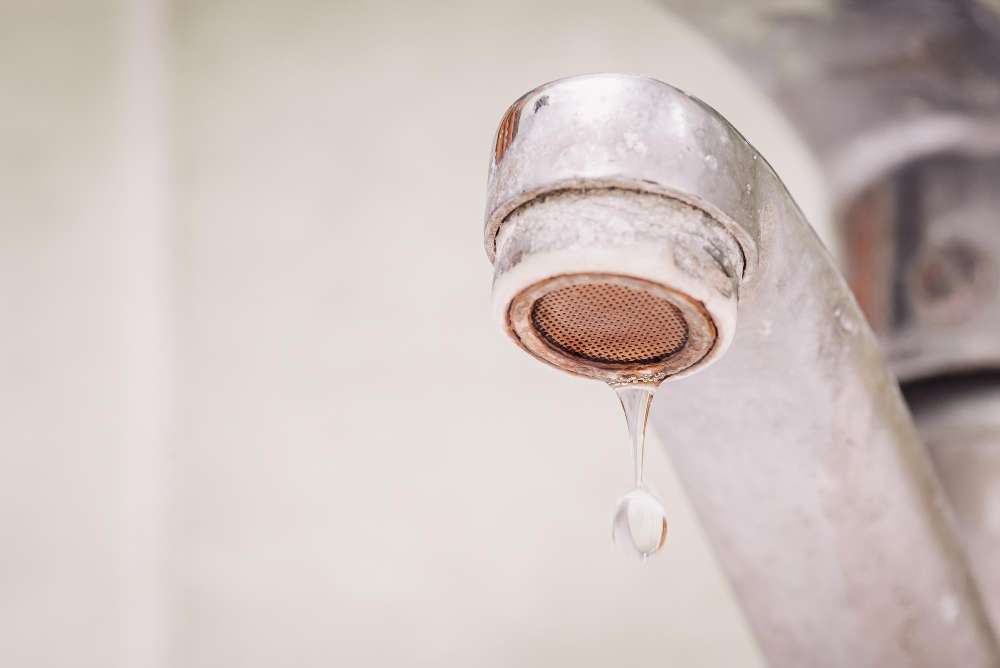
Key Takeaway: Spring is the ideal time for water softener maintenance in Tampa as humidity, rainfall, and increased water usage can affect system performance. Testing your water, refreshing filters, and adjusting system settings helps prevent costly repairs, improve efficiency, and extend the lifespan of your entire water treatment setup. As temperatures rise and rainfall increases, many homeowners begin prioritizing water softener maintenance in Tampa to keep their systems running efficiently. Spring brings changes in water demand, humidity, and supply conditions across the Tampa Bay area, all of which can impact how your softener, filters, and reverse osmosis systems perform. A seasonal tune-up helps ensure your system is aligned with your home’s current water usage and quality. Whether you rely on municipal water or a private well, spring is the best time to test, adjust, and maintain your equipment for the months ahead. Spring is the most important season for water system maintenance in Florida due to increased rainfall and usage. Regular water softener maintenance improves efficiency and reduces scale buildup in appliances. Filter replacements and system checks help maintain water clarity, taste, and flow rate. Testing water before making adjustments ensures accurate system settings and better long-term performance. How Do You Maintain a Water Softener in Tampa? Maintaining a water softener in Tampa involves checking salt levels, cleaning the brine tank, and adjusting settings based on current water hardness. Start by inspecting your brine tank. The salt level should remain above the water line, and any hardened crust (known as a salt bridge) should be broken up to allow proper regeneration. Using the correct type of salt—typically pellets or crystals recommended by your manufacturer—helps maintain efficiency. It’s also important to verify your system settings. Tampa’s water conditions can shift slightly throughout the year, so confirming hardness levels through a local water test ensures your system regenerates correctly without wasting salt or water. Maintenance Tip: Checking your softener once per month during spring can prevent salt bridging, improve efficiency, and reduce long-term wear on your system. When Should You Replace Water Filters in Tampa Homes? You should replace most water filters every 6 to 12 months, depending on usage and water quality. Point-of-use filters like reverse osmosis systems, under-sink cartridges, and refrigerator filters handle the final stage of purification. Over time, they collect sediment and dissolved materials that reduce flow and performance. Spring is an ideal time to replace these filters because increased water usage—such as outdoor activities and household demand—can accelerate wear. If you notice slower flow or changes in taste, it’s a clear sign your filters need attention. What Causes Sulfur Smells in Tampa Water? Sulfur smells in water are typically caused by hydrogen sulfide gas or sulfur-reducing bacteria. This “rotten egg” odor may appear more frequently in warmer months due to increased bacterial activity or changes in water conditions. Sometimes the issue originates in the water heater, while other times it comes from the incoming water supply. Simple maintenance—like flushing your water heater or cleaning aerators—may reduce mild odors. However, persistent smells often require targeted filtration solutions designed specifically for sulfur removal. Warning: Persistent odors or sudden changes in water smell should not be ignored. Testing your water ensures there are no underlying issues affecting your system or water quality. Do Tampa Homes Need Spring Water Testing? Yes, spring water testing helps identify seasonal changes that may affect water quality and system performance. Rainfall and groundwater movement can introduce sediment, minerals, or bacteria into water supplies—especially in homes using private wells. Even municipal water can experience seasonal variations that impact chlorine levels or sediment content. According to the EPA’s private well guidance, regular testing is essential for maintaining safe and reliable water quality. Testing ensures your system is properly adjusted and helps prevent issues before they become costly. Whole-Home vs Point-of-Use Systems: What Should You Maintain? Both whole-home and point-of-use systems require maintenance, but they serve different purposes. Whole-house systems treat all water entering your home, helping manage sediment, chlorine, and mineral content. Point-of-use systems focus on drinking and cooking water at specific taps. Many Tampa homeowners use a combination of both. For example: Whole-house filtration systems protect plumbing and appliances Reverse osmosis systems provide purified drinking water Water softeners reduce hardness and scale buildup Maintaining both ensures your entire water system operates efficiently and consistently. Local Water Expertise for Tampa Bay Homes Tampa Bay homeowners benefit from water treatment solutions tailored to local conditions, including high mineral content and seasonal rainfall. Homes across Tampa, Brandon, Riverview, Clearwater, and St. Petersburg often experience hard water and fluctuating supply conditions. These regional factors make regular maintenance and testing especially important. Working with a local professional ensures your system is properly sized and adjusted for Hillsborough County water conditions. This helps prevent over-treatment, reduce maintenance costs, and improve long-term performance. Spring Water System Maintenance FAQs How often should I service my water softener? Most systems should be checked at least once or twice per year, with spring being one of the most important times due to seasonal changes in water conditions. Does hard water affect health? Hard water is not considered a health risk, but it can reduce appliance efficiency, cause buildup, and affect how water feels on skin and hair. Why does my water pressure drop? Reduced pressure is often caused by clogged filters, sediment buildup, or worn system components that need maintenance or replacement. Is reverse osmosis water completely pure? Reverse osmosis removes most dissolved solids, but trace minerals may still remain. The goal is clean, reliable water—not absolute purity. Keep Your Tampa Water System Running Strong This Spring Spring is the perfect time to refresh your water system and ensure everything is working as it should. From softener maintenance to filter replacement, small steps now can prevent larger issues later. By testing your water, adjusting your system, and staying consistent with maintenance, you can improve efficiency, extend equipment lifespan, and enjoy better water quality throughout your home. Further Reading & References Free Water Testing in Tampa