


Scale vs. Sense: Water Hardness Myths and Realities for Tampa Homes
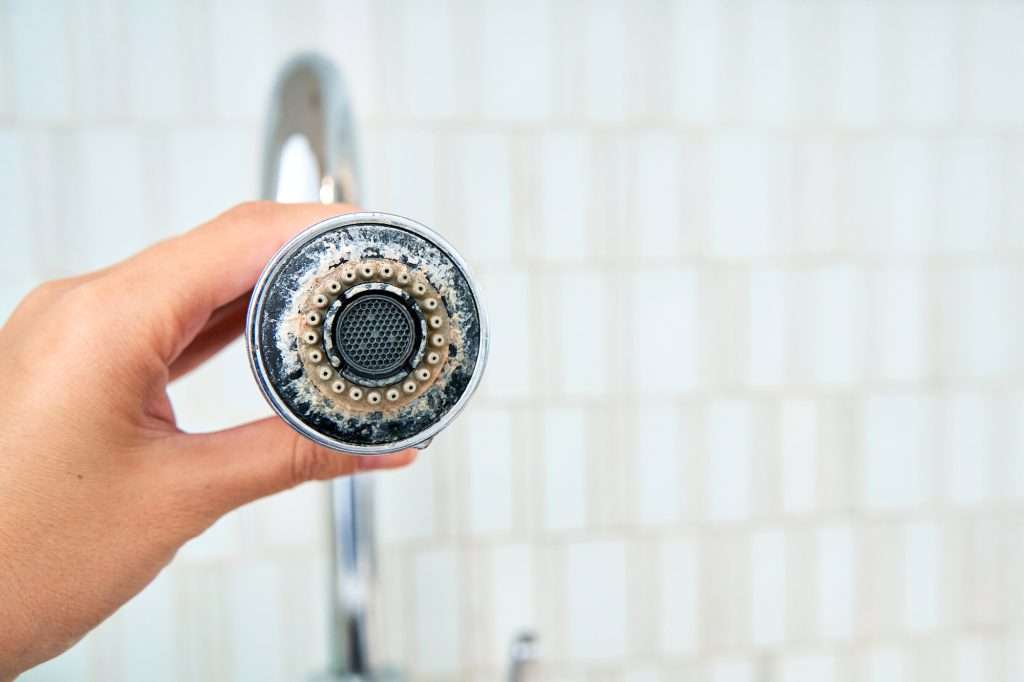
Key Takeaway: Hard water in Tampa is mainly a comfort and efficiency issue caused by calcium and magnesium, not a safety concern. True softening occurs only through ion exchange systems that replace these minerals with sodium or potassium to prevent scale buildup and support better appliance performance. Testing your water first ensures the right combination of softening and filtration systems for your home’s needs. Quick Facts Hard water affects comfort and efficiency—not safety or taste. Only salt-based ion exchange systems produce true soft water. Salt-free conditioners reduce scale but do not remove hardness minerals. Testing first prevents oversizing or choosing the wrong system. Hardness varies across Tampa neighborhoods—every home’s water is unique. Water Hardness in Tampa: What It Is and Why It Matters Water hardness describes the amount of calcium and magnesium dissolved in your water. Tampa homes often experience white spots on fixtures, cloudy shower doors, and poor soap lather—classic signs of mineral buildup. These minerals don’t make water unsafe; they simply affect efficiency and everyday comfort. Because hard water Tampa residents experience varies by neighborhood, some homeowners notice increased scale inside appliances like water heaters or dishwashers. Over time, scale buildup forces appliances to work harder, increasing energy costs and reducing longevity. If you’re unsure what’s happening in your home, learning how to tell if you have hard water can help you identify early signs. Hardness is measurable, and you can test for hard water through test kits or professional evaluation. Once you know your hardness level, you can plan for water softener installation in Tampa to protect your appliances and improve comfort. This guide breaks down myths vs. facts so you can make informed choices for your home. Myth: Hard Water Is Unsafe — Reality: It’s a Comfort and Efficiency Issue Hard water is completely safe to drink. Calcium and magnesium are natural minerals that contribute to hardness. They don’t harm health, but they can make cleaning harder and reduce system efficiency. Hardness also doesn’t change the taste or smell of your water. If you’re worried about other contaminants—such as PFAS or arsenic—those are separate issues requiring different filtration methods. Staying informed about PFAS concerns in Tampa helps you understand when filtration, not softening, is needed. Many people confuse hardness with total dissolved solids (TDS). Hardness refers only to calcium and magnesium, while TDS measures everything dissolved in the water. Learning what is TDS clarifies why softened water still contains dissolved solids. Pure water does not exist naturally. All water contains minerals or dissolved elements, even distilled water. Learning about distilled water and minerals can help you understand what removal does—and does not—do for your home. Myth: Salt-Free Systems Soften Water — Reality: Only Ion Exchange Creates Soft Water Only salt-based softeners use ion exchange to remove hardness minerals. Salt-free conditioners do not soften water—they simply alter how minerals behave so they don’t adhere as easily to surfaces. If you want true soft water, understanding how water softeners work shows why resin beds and salt brine are essential. These systems remove calcium and magnesium and flush them out during regeneration. Salt-free conditioners are useful when scale reduction—not soft water feel—is the priority. Some homeowners prefer pairing conditioners and softeners for tailored results. Evaluating your options using guidance on choosing the best water softener ensures you select the right system for your family. Regular salt refills and maintenance keep softeners functioning efficiently. Many homeowners utilize salt delivery service for convenience. Live in the northern suburbs? Local softener service in Wesley Chapel supports quick and reliable maintenance. Key Facts About Water Hardness in Tampa Homes Hard water comes from calcium and magnesium minerals—not contaminants—and often leads to scale buildup. Learn how to tell if you have hard water in Tampa homes. Hardness is safe but reduces efficiency. A simple hard water test helps guide the right solution. Ion exchange softeners remain the only true method of softening; see how water softeners work for details. Conditioners reduce scale but do not remove hardness minerals. Choosing well matters—see the best softener selection tips. Reverse osmosis improves taste and reduces dissolved solids; here’s how RO works. Not all problems stem from hardness—PFAS, iron, and sulfur require separate solutions. Learn about emerging contaminants in Tampa. Tampa water chemistry varies widely—even street to street. Start with testing and consult the guide to choosing the best water filter. Myth: Hard Water Only Leaves Spots — Reality: Scale Can Reduce Efficiency Hard water causes more than spots—it produces scale that accumulates inside appliances and pipes, reducing efficiency and increasing energy costs. Heating elements exposed to scale must work harder, potentially shortening system life. Those cloudy white marks on fixtures are signs of mineral residue. Learning how to remove hard water stains helps temporarily, but addressing hardness prevents them from returning. Orange or brown stains typically indicate iron—not hardness. If so, you’ll need specialized iron and rust solutions. Adding whole-home filtration and even smart detection like leak monitoring can protect your plumbing further. Myth: One Device Fixes Everything — Reality: Match Treatment to the Problem No single system treats every water issue. Water softeners handle hardness; filters target chlorine or sediment; reverse osmosis treats taste and dissolved solids. Curious about comprehensive options? Whole-house filtration in Tampa helps protect plumbing, while reverse osmosis improves drinking water at the tap. Sulfur smells or rotten-egg odors require oxidation or specialized filtration. Tampa-specific guidance for sulfur smell issues helps distinguish them from hardness problems. Myth: All Tampa Water Is the Same — Reality: Every Home’s Water Is Unique Water quality varies widely across Tampa Bay. Plumbing age, local mineral levels, and water source differences all affect hardness. Reliable well water testing in Tampa ensures you get accurate information before investing in equipment. Myth: Bigger Softeners Are Always Better — Reality: Proper Sizing Saves Money The best system is the one properly sized for your home—not the largest model available. Oversized softeners waste salt and water; undersized systems regenerate too frequently and wear out faster. A professional can determine what size