


Your Guide to Water Softener Installation in Tampa & the Central Gulf Coast
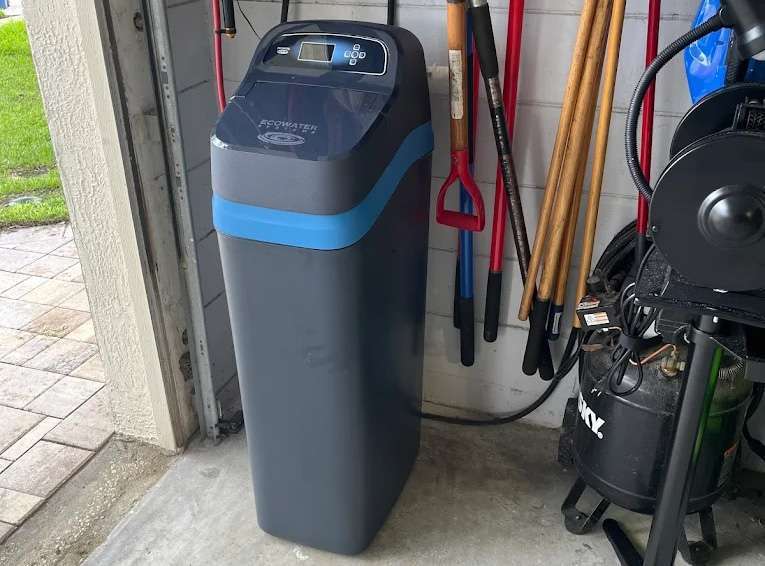
Key Takeaways: Hard water is common in Tampa and the Central Gulf Coast, leading to scale buildup, appliance wear, and reduced water heating efficiency. Professional installation ensures your system is correctly sized, installed to code, and optimized for our region’s unique water conditions. Local expertise matters — Tampa’s water hardness levels and seasonal changes require a tailored approach to system selection and maintenance. Regular testing and proper maintenance can extend system life and preserve water quality year-round. Searching for water softener installation near me in Tampa or along the Central Gulf Coast? You’re in the right place. Hard water is common in our region and can shorten appliance life, waste energy, and leave scale on fixtures. This guide explains how water softeners work, what to expect during installation, and the local considerations that matter—so you can choose the system that is right for you. At Ecowater Central Florida we’ve been serving our local community since 1987 and we know the local water intimately. Not sure you have hard water? Start with this quick primer on how to tell if you have hard water, then use our insights below to plan the best path to softer water at home. Understanding Water Softeners Water softeners address Tampa’s mineral-heavy water through ion exchange: the system swaps hardness minerals (calcium and magnesium) for sodium (or potassium) ions as water passes through a resin bed. The result? Less scale, easier cleaning, and more efficient hot-water systems. According to the Water Quality Association, ion exchange is one of the most effective methods for removing hardness minerals. Why it matters locally: Gulf Coast water sources often carry elevated hardness that builds scale inside heaters and on fixtures. Everyday benefits: Shinier dishes and glassware, better soap lather, and reduced maintenance on appliances. Proper sizing is critical. An undersized unit regenerates too often and underperforms; an oversized unit can be inefficient. For a deeper dive into models and features, see choosing the best water softener and this guide to what size water softener do I need? The Installation Process Professional installation begins with an on-site assessment to confirm hardness level, household usage, plumbing layout, and best location (garage, utility room, or other accessible service area). A licensed installer will: Verify a clean tie-in near the main line and isolate outdoor/irrigation lines if needed. Provide a code-compliant drain with an air-gap and confirm electrical access. Program the valve to your measured hardness and family size for optimal salt and water efficiency. Want to understand how installers set capacity and salt dose? This primer on how water softeners work breaks down the process in plain language. Important Facts About Water Softener Installation in Tampa & the Central Gulf Coast Hard water is common in our region — installing a water softener reduces scale buildup and can improve hot water efficiency in your home. Ion exchange technology is the gold standard for hardness control. Learn more in our guide to choosing the best water softener. Correct sizing is crucial for performance and efficiency. Find out what size water softener you need based on your household. Routine maintenance matters — check salt levels monthly and schedule annual inspections. Well water users should consider regular water testing to catch issues early. Professional installation protects your investment by ensuring local code compliance and maintaining manufacturer warranties. See why locals trust Ecowater Central Florida. Upgrading can boost efficiency and may offer a quick return on investment. Check out our current trade-in and upgrade options. Benefits of Professional Installation Hiring experts for water softener installation ensures a right-sized system, tidy plumbing tie-ins, and code-compliant drains/air gaps—plus a walkthrough on programming and maintenance. You’ll also preserve product and labor warranties and avoid common DIY pitfalls (mis-sized units, improper drain connections, and inefficient settings). Local note on regulations: Some municipalities have specific guidelines for brine discharge and air-gap requirements. A Tampa-based installer will keep your system compliant with local codes and best practices while optimizing efficiency for our water conditions. Local Considerations in Tampa & The Central Gulf Coast From higher mineral content to seasonal water changes. The U.S. Geological Survey notes that Florida’s aquifers naturally contain higher concentrations of calcium and magnesium, contributing to hard water conditions. Tampa Bay and Gulf Coast homes benefit from a tailored approach. Plan on: Baseline testing: Confirm hardness (and iron, if on a well). If you’re on a private well, schedule well water testing annually or after major weather events. System pairing: Softening tackles hardness only. If you want to reduce chlorine taste/odor across the home, pair your softener with a whole-house carbon filter. Placement: Choose accessible, protected locations to simplify service and extend system life. Cost Implications and Value Addition While installation is an investment, softening can reduce energy use in hot-water systems, lower detergent/soap spend, and help appliances last longer. A study by the Battelle Memorial Institute found that water softeners can improve appliance efficiency and extend lifespan, reducing maintenance costs over time. Those savings add up—especially in homes with high hardness or heavy hot-water use. Looking to stretch your budget? Check the latest trade-in upgrades for added value. Common Challenges and Solutions Limited space: Pros can reposition tie-ins or recommend compact systems to fit tight utility areas. Complex plumbing: Experienced installers reroute lines cleanly and keep irrigation/outdoor taps unsoftened. Maintenance worries: A simple monthly salt check and periodic service keep performance high—your installer will show you exactly what to do. Curious about the nuts and bolts? Here’s a friendly walk-through of how softeners work and what to expect. Water Softener Installation FAQs How long does water softener installation take? Most homes are completed in a few hours, depending on access and plumbing layout. Pros arrive ready for Tampa’s common configurations and can work efficiently the same day. What maintenance does a water softener need? Check salt levels every month or two, keep the brine tank clean, and schedule periodic service. For a plain-English overview, see how water softeners work. Does a water softener use a lot of energy?