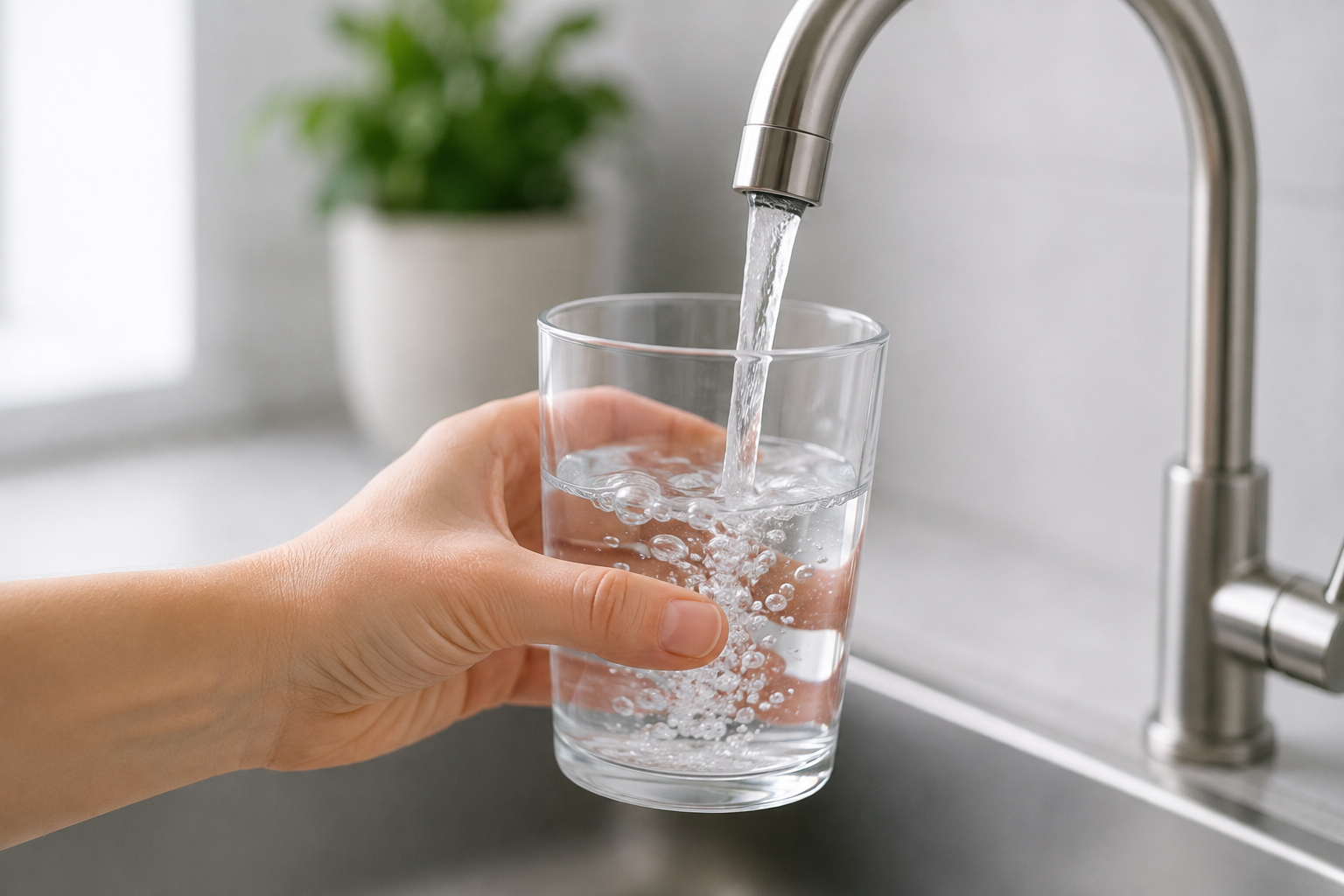
Understanding Better Water Quality
People are becoming more aware of water quality and its impact on their homes. Good water quality can make a big difference in daily life, from protecting appliances to improving skin and hair health. One way to achieve better water quality is by using a water softener system. These systems can help reduce the effects of hard water, which may lead to long-term savings and a more enjoyable home environment.
Water softener systems play a vital role in enhancing water quality by addressing minerals that cause water hardness. While many homeowners might focus on the immediate benefits, such as smoother skin and shinier hair, the financial advantages over time are equally significant. By investing in the right system, homeowners can protect their appliances, reduce energy costs, and lower maintenance expenses.
This article will explore various aspects of water softener systems, including the water softener system cost, installation considerations, and the long-term financial benefits. Understanding these factors can help you make an informed decision about whether a water softener system is right for your home.
Understanding Water Softener System Costs
The cost of a water softener system can vary widely based on several factors. The type of system you choose plays a significant role in determining the overall expense. Salt-based systems, for example, often require regular salt replenishment, while salt-free systems might have different maintenance needs. The size of the system also affects the cost, as larger homes may require more robust systems to effectively manage water hardness.
Brand reputation and features can also influence how much a water softener system costs. Well-known brands with advanced technology might come at a premium but often provide better performance and reliability. It’s important to consider these factors when evaluating water softener prices, as they can impact both initial investment and long-term satisfaction.
Choosing the right size and type of system is crucial for effective use. An improperly sized system may not adequately address your home’s water hardness issues, leading to inefficient performance and potential additional costs. For guidance on selecting the right system size, you might find it helpful to explore resources like this guide on choosing the right size water softener. Understanding these elements will set the stage for considering installation costs and ongoing maintenance needs.
Installation Expenses Explained
Installing a water softener system involves several expenses beyond the cost of the unit itself. Professional installation fees can vary based on the complexity of the job and your home’s plumbing layout. While some homeowners might consider a DIY approach to save money, professional installation ensures that the system functions correctly and efficiently from the start.
Home-specific factors can also influence installation costs. For instance, older homes with outdated plumbing might require additional work to accommodate a new system. Additionally, local regulations or permits might add to the overall expense. It’s essential to consider these potential costs when budgeting for your water softener system.
While initial installation costs might seem high, they often lead to long-term savings by preventing issues caused by hard water. For more detailed insights into these costs, you can refer to resources like this comprehensive review on water softener system costs. Once installed, it’s important to remember that ongoing maintenance will play a role in ensuring your system continues to function effectively over time.
Interesting Facts About Water Softener Systems
|
Maintenance and Operational Costs
Maintaining a water softener system involves regular expenses that homeowners should consider. These costs include salt replenishment and occasional repairs, which can vary based on the system’s usage and type. Salt-based systems require consistent salt refills to function effectively, and the frequency of replenishment depends on household water usage. Salt delivery services offer a convenient solution for homeowners, ensuring timely replenishment without the hassle of manual handling. These services can simplify maintenance and ensure the system operates smoothly.
Repairs may also arise from time to time, especially if the system experiences wear and tear. While these repairs might add to the overall water softener system cost, they help maintain the system’s efficiency and longevity. Regular maintenance not only prevents unexpected breakdowns but also contributes to long-term savings by reducing the likelihood of costly repairs.
By investing in regular maintenance, homeowners can enjoy significant savings over time. A well-maintained water softener system can prevent scale build-up in pipes and appliances, leading to lower energy bills and extended appliance life. These savings can offset the initial costs of maintenance, making it a worthwhile investment for any household.
Long-Term Savings Potential
Water softeners offer substantial long-term savings by preventing scale build-up, which can damage appliances and increase energy consumption. Softened water helps extend the lifespan of household appliances such as dishwashers and washing machines, reducing the need for frequent replacements. This longevity translates into fewer expenses over time, making water softeners a cost-effective choice for homeowners.
Studies have shown that using softened water can significantly benefit home systems by improving efficiency and reducing energy bills. For example, heating water with a softener system requires less energy, as there is no scale build-up to hinder heat transfer. This efficiency can lead to noticeable savings on monthly energy bills, making the investment in a water softener system financially prudent.
As you explore the potential savings, consider the documented benefits of softened water on home systems. These benefits highlight the value of investing in a water softener system not only for immediate comfort but also for long-term economic advantages.
Environmental Considerations
Modern water softener systems have evolved to minimize environmental impact, focusing on reducing water waste and optimizing salt use. Technological advancements have led to more efficient systems that require less salt and water during regeneration cycles. This efficiency not only reduces operational costs but also lessens the environmental footprint of using a water softener system.
Advances in technology contribute to sustainable practices by ensuring that water softeners operate with minimal waste. These innovations allow homeowners to enjoy the benefits of softened water without compromising environmental responsibility. By choosing a system that aligns with sustainable practices, homeowners can make a positive impact on both their household and the environment.
When considering a water softener, it’s important to explore options that prioritize environmental sustainability. For guidance on selecting an eco-friendly system, you might find valuable insights in resources such as choosing the best water softener. By making informed choices, you can enjoy softened water while supporting environmentally friendly practices.
Factors Influencing Price Variability
The cost of a water softener system can vary significantly due to several factors, including local market conditions and technological advancements. Regional differences in pricing can affect how much does a water softener cost, as availability and demand fluctuate across different areas. Additionally, newer technologies may offer enhanced features that contribute to higher initial costs but provide greater efficiency and savings over time.
Technological advancements play a crucial role in determining water softener prices. Systems equipped with advanced features such as smart technology or enhanced regeneration processes may come with a higher price tag but offer long-term benefits in terms of efficiency and cost savings. Homeowners should weigh these options carefully to find a system that meets their needs while aligning with their budget.
As you consider the various factors influencing price variability, it’s essential to gather all necessary information before making a decision. The upcoming FAQ section will address common queries and provide clarity on choosing the right water softener system for your home.
Frequently Asked Questions About Water Softener Costs
Understanding the costs associated with water softener systems can help homeowners make informed decisions. Below are some common questions about water softener costs, along with helpful answers to guide you.
What are the initial steps in choosing a suitable water softener?
Testing your water’s hardness level is essential for selecting the right system. Knowing the hardness level helps determine the appropriate size and type of water softener for your home. You can learn how to test for hard water to begin the process.
Can I install a water softener myself?
While a DIY installation is possible, consulting a professional is recommended. Professionals can ensure optimal placement and function of the system, taking into account factors like plumbing layout and local regulations. This approach often ensures better long-term performance and reliability.
How often do I need to replace the salt?
Salt replacement typically occurs every few months, depending on water usage and system type. Regular maintenance ensures the system operates efficiently. For added convenience, some companies offer salt delivery services to simplify this process for homeowners.
Do water softeners require electricity?
Most water softeners operate with minimal electrical consumption. They typically use electricity to control the regeneration cycle, making them energy-efficient additions to your home.
Are there financing options available for purchasing a water softener?
Many suppliers provide financing or rent-to-own programs to help manage the cost of a water softener system. Exploring these options can make the investment more manageable, allowing homeowners to enjoy the benefits of softened water without significant upfront expenses.
For those interested in finding the right fit, determining the correct size water softener is crucial and can be explored further through resources on selecting the appropriate size for your needs.
Considering the various costs and factors involved in choosing a water softener system, it’s always a great idea to consult a professional for added guidance. This ensures you have all the information needed to make the best decision for your home. For more detailed insights on water softeners, you can explore this comprehensive guide.
Investing in a Water Softener: A Comprehensive View
Investing in a water softener system offers a blend of financial, practical, and environmental benefits. The initial expense of purchasing and installing a water softener may seem significant, but it is important to consider the long-term savings. These systems drastically reduce impurities, which can extend the lifespan of appliances and reduce energy consumption. This translates into lower maintenance costs and energy bills over time.
Choosing the right water softener system tailored to your home’s specific needs is essential. Factors such as the hardness of your water, the size of your household, and your local water conditions play a role in selecting the most effective system. Consulting a professional provides you with the information needed to make an informed decision. A system that fits your household’s unique requirements will not only improve water quality but also enhance the overall efficiency of your home.
Environmental considerations also add to the value of water softeners. Modern systems focus on reducing water waste and optimizing salt usage, which contributes to a more sustainable lifestyle. By investing in a system that aligns with eco-friendly practices, homeowners can enjoy the dual benefits of improved water quality and reduced environmental footprint. For a more detailed understanding, consider exploring this guide on how water softeners work.
Investing in Soft Water at Your Home
Embracing a water softener system signifies a step towards a more efficient living space. The advantages extend beyond immediate water quality improvements, offering long-term savings and environmental benefits. By addressing hard water, these systems not only protect your home but also contribute to a sustainable lifestyle. For those considering a water treatment upgrade, this investment is a smart choice for both the present and the future.
As you contemplate the quality of water in your home, consider the broader impact of a water softener system. Whether you’re looking to enhance the efficiency of household appliances or reduce your environmental footprint, a tailored solution can make a significant difference. For personalized advice and to explore options that best suit your needs, request a free cost estimate for your water treatment upgrade today. Taking this step could transform your water experience and support a more sustainable, cost-effective lifestyle.
Request a free cost estimate for your water treatment upgrade